How to Select the Right General Contractor for Your Next Home Project
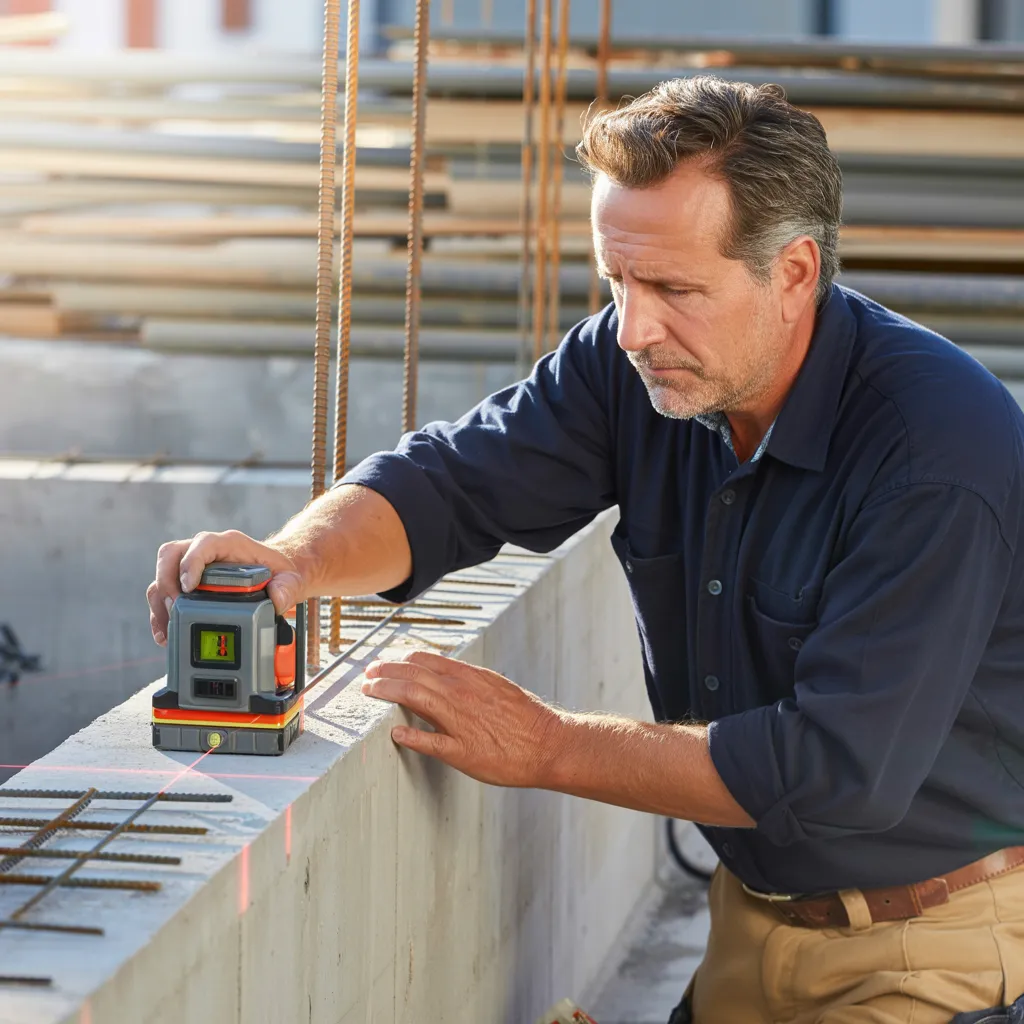
Picking a suitable general contractor for your home undertaking is an vital selection. It requires thoughtful review of various aspects, encompassing track record, certifications, and communication abilities. Several homeowners disregard important details, leading to expensive errors. Comprehending how to evaluate prospective contractors can create a notable influence. By highlighting vital standards and requesting the proper questions, you can handle this difficult process more skillfully. What are the important measures to assure a rewarding working relationship?
Ways for Sidestepping Frequent Errors When Selecting a Contractor
When selecting a general contractor, how does one negotiate the myriad of choices without getting caught in usual pitfalls? Prospective clients often overlook critical points that can result in negative effects. First, relying solely on price can be incorrect; the lowest bid may signify below-average results or unexpected charges. Additionally, not verifying recommendations or web evaluations can result in selecting a contractor with unsatisfactory history. It is also essential to avoid making decisions based on charisma alone; a charismatic contractor may not have the proper expertise or dependability. Moreover, failing to establish clear communication and expectations can lead to misunderstandings and dissatisfaction. Finally, not reviewing contracts thoroughly before signing can result in unexpected obligations or lack of protection. By being alert and educated, homeowners can make better choices, ultimately leading to a successful project.
What to Search For in a Contractor's Background
When reviewing a contractor's background, multiple important elements prove important. Relevant project experience, professional credentials, and an extensive portfolio of finished projects serve as critical indicators of their capabilities. Analyzing these elements can deliver valuable insights into the contractor's appropriateness for the specific project at hand.
Suitable Project Background
Recognizing a contractor's relevant project experience is crucial for guaranteeing the success of any construction endeavor. Prospective clients should assess the contractor's body of work, concentrating on completed projects similar in scope and style to their own. This entails examining the caliber of craftsmanship, adherence to timelines, and cost control in past projects. Additionally, it is beneficial to inquire about the kinds of substances employed and the contractor's familiarity with area construction regulations and regulations. Reviews and recommendations from past clients can provide insights into the contractor's reliability and communication skills. Ultimately, a contractor with substantial relevant experience can navigate challenges effectively, guaranteeing the undertaking satisfies the homeowner's expectations and standards.
Industry Credentials And Licenses
Certification and authorization function as essential indicators of a contractor's professionalism and skills in the construction industry. When engaging a general contractor, it is vital to ensure they have the required licenses mandated by local and state read this article regulations. Such licenses demonstrate compliance with building codes and safety standards. Furthermore, industry certifications, like those from the National Association of Home Builders or other related organizations, reflect a contractor's dedication to quality and ongoing education. Specialists with particular certifications may also possess expertise in specific fields, such as green building or remodeling. Verifying that a contractor holds the proper credentials not only boosts confidence in their capabilities but also reduces potential legal and financial risks during the project.
Showcase Of Accomplished Work
A builder's portfolio featuring completed work functions as a essential tool for assessing their skills and abilities. This compilation should display a range of jobs, exhibiting varied styles in different styles and levels of complexity. When examining a portfolio, interested parties need to find excellent photos that visibly represent the craftsmanship involved. It is equally useful to view works that fit the homeowner's unique preferences or visual styles. Careful attention, original methods, and timely execution are critical indicators of a contractor’s competence. Moreover, client testimonials or project examples included in the portfolio can offer greater understanding into the contractor's professionalism and dependability. In the end, a robust portfolio helps homeowners choose wisely for their upcoming projects.
Guide to verifying Your Contractor's Credentials and Licenses
Before contracting a general contractor, it is important to validate their qualifications and certifications to verify they comply with industry standards. Commence by reaching out to local licensing boards to confirm that the contractor holds the necessary permits for your region and project type. Each state sets its own criteria, so familiarizing yourself with these can prevent upcoming problems.
Additionally, ask about insurance coverage, such as liability and workers' compensation, to guarantee protection against potential accidents or damages. Obtain references from previous clients and check in to assess satisfaction and reliability.
Lastly, check any certifications the contractor may obtain, as these often reveal professional development and commitment to industry best practices. A thorough verification process not only ensures adherence but also builds confidence in the contractor's ability to complete the project successfully.
Why Open Communication Is Necessary in Your Contractor Relationship
Effective communication plays a pivotal role in the contractor-client relationship, determining the project's success from the beginning. Clear dialogue establishes expectations, timelines, and budgets, ensuring both parties are aligned on the project's goals. When clients articulate their vision effectively, contractors can provide knowledgeable recommendations and solutions, improving the overall outcome.
Consistent communications and open lines of communication facilitate quick resolution of issues as they emerge, decreasing potential delays. Additionally, a contractor who hears and replies to client feedback cultivates trust, which is essential for collaboration.
In addition, effective communication helps in managing modifications and unforeseen difficulties, maintaining the project on track. It permits the contractor to adjust strategies based on client feedback, guaranteeing contentment during the project. Ultimately, prioritizing dialogue not only strengthens the contractor-client bond but also greatly contributes to the successful accomplishment of the home project.
Fundamental Questions to Put Forward to Your Service Provider in Introductory Meetings
When initially consulting with a contractor, clients should focus on understanding their experience and qualifications. It's imperative to examine the project timeline and budget to assure alignment with the client's expectations. These questions establish a foundation for a successful partnership and effective project management.
Experience and Qualifications
Selecting a general contractor depends on understanding their background and qualifications. Homeowners should investigate the contractor's years in the industry and the kinds of projects they have done. Specific questions regarding licenses, certifications, and insurance are essential, as these guarantee adherence to local laws and provide protection during the project. Additionally, examining previous work through showcases or recommendations can offer insight into the contractor's craftsmanship and reliability. It is also helpful to question them on their experience in similar projects, as this can demonstrate their ability to manage specific obstacles. Ultimately, assessing a contractor's experience and qualifications fosters confidence and enables homeowners to make wise choices regarding their home projects.
Project Timeline and Budget
What ways can property owners use to assure their project stays on track financially and temporally when consulting with a general contractor? To stay aligned, they should ask critical questions during initial meetings. Homeowners must inquire about the projected schedule for project completion and any potential delays that could occur. Understanding the contractor's approach to managing schedules is critical. Furthermore, addressing the budget upfront is critical; homeowners should request clarity on cost estimates, payment schedules, and any built-in reserves for unexpected costs. Learning about previous projects can provide insight into the contractor's reliability in meeting deadlines and staying within budget. By fostering transparent dialogue regarding timelines and finances, homeowners can foster a positive relationship with their contractor, enhancing the chances of a successful project.
Helpful Hints for Validating References and Reading Through Reviews
What actions should one undertake to confirm a general contractor is reliable? First, it is important to request a list of recommendations from potential contractors. A reputable contractor will readily provide names and contact information of previous clients. One should reach out to these references to inquire about their experiences, focusing on factors including communication, quality of work, and adherence to timelines.
Furthermore, checking online testimonials on platforms like Google, Yelp, or Angie's List can deliver beneficial insights. It is important to search for themes in the reviews—consistent approval or criticism can reveal reliability or potential issues.
Furthermore, reviewing any complaints filed with local licensing boards or consumer protection agencies can reveal a contractor's background. Finally, seeking recent images of their work can help judge the excellence of their performance. By taking these procedures, one can make a more knowledgeable decision when selecting a general contractor.
Grasping Contractor Cost and Invoice Terms
Homeowners must learn about regular payment terms. Most contractors require a deposit initially, including progress payments based on project milestones. It's critical to determine these terms before finalizing a contract to circumvent misunderstandings. Besides, homeowners should investigate potential extra charges, such as permits or unexpected work. Honest dialogue regarding payment details and pricing will help strengthen a transparent working relationship, ultimately producing a victorious project outcome. Recognizing these elements prepares homeowners to choose more wisely when appointing a general contractor.
Often Asked FAQs
What Is the Timeline for Finishing the Project?
Project duration generally fluctuates based on scope and complexity. Generally, it could require multiple weeks or months. Elements including climate conditions, availability of materials, and labor resources can significantly impact the completion timeline.
What Takes Place if Unforeseen Problems Surface During Development?
If unexpected issues occur during construction, the contractor usually assesses the circumstances, discusses with the property owner, and proposes remedies. Adjustments to the timeline and budget may be necessary, guaranteeing openness throughout the process.
Will My Project Necessitate Permits or Inspections?
Most projects need permits along with inspections to ensure compliance with local construction regulations. It is crucial to consult with a general contractor who comprehends these requirements, as they can manage the permitting process effectively.
How Do You Coordinate Subcontractors and Their Payments?
A credible general contractor oversees subcontractors by creating explicit agreements defining payment terms. They guarantee timely payments, maintain transparent dialogue, and monitor subcontractor performance, promoting a partnership-focused climate that supports project completion and efficiency.
How Do You Address Project Revisions or Upgrades?
The contractor implements a versatile method to project alterations, requiring formal documentation for any upgrades. They guarantee clear communication, assess budgetary consequences, and revise deadlines accordingly to meet the client's evolving needs and preferences.